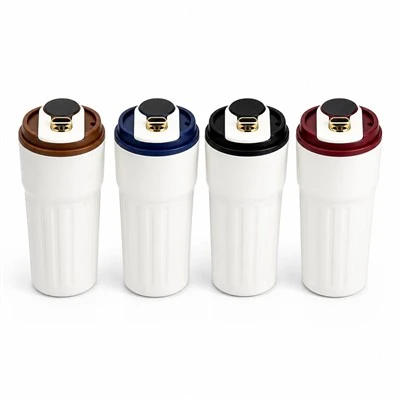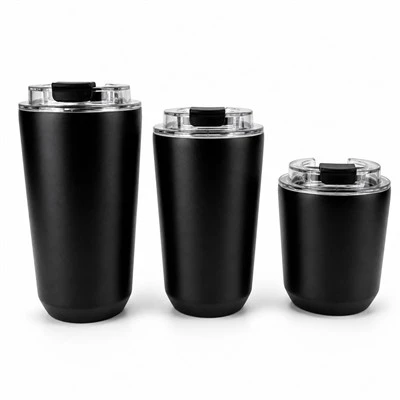


Yeah, I get it. You're probably thinking about tossing your favorite ice cream into that fancy stainless steel lunch thermos you've got. Well, let's dig into this and see if it's a good idea. As a supplier of stainless steel lunch thermoses, I've seen all sorts of uses for these things, and I'm here to break it down for you.
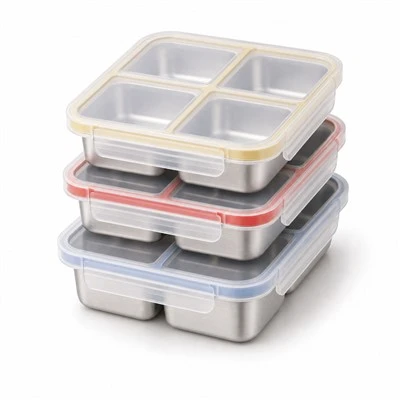
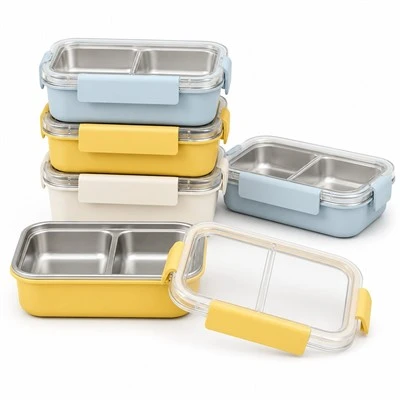
First off, stainless steel lunch thermoses are pretty awesome. They're durable, easy to clean, and they can keep your food and drinks at the right temperature for a good while. They come in all shapes and sizes, and we've got some real cool ones in our collection. Check out our Steel Snack Box with Compartments and Stainless Steel Bento Snack Box. These are not only great for lunches but can also be used for snacks on the go.
Now, back to the ice cream question. The main deal with putting ice cream in a stainless steel lunch thermos is about temperature control. Ice cream needs to stay cold, really cold, to keep its yummy, frozen consistency. Stainless steel thermoses are designed to insulate, which means they try to keep the inside temperature the same as when you put your stuff in.
If you're planning to put ice cream in a thermos, the first thing you need to think about is how long you'll be keeping it in there. If it's just for a short time, say an hour or two, you might get away with it. But if it's going to be in there for a few hours or more, especially on a hot day, you're likely to end up with a melted mess.
The good thing about stainless steel thermoses is that they are usually double - walled. This double - wall design helps slow down the transfer of heat between the inside and the outside. But ice cream is super sensitive to heat. Even a small amount of warmth getting in can start the melting process.
Another factor to consider is the initial temperature of the thermos. If your thermos is at room temperature, it's going to warm up the ice cream as soon as you put it in. To counter this, you can pre - chill your thermos. Just fill it with ice water for a few minutes, then pour the water out before adding the ice cream. This will lower the internal temperature of the thermos and give your ice cream a better chance of staying frozen.
Let's talk about the type of ice cream too. Some ice creams are creamier and have a higher fat content, which can make them a bit more resistant to melting. On the other hand, sorbets and water - based ice creams are more likely to melt quickly. So if you're really set on putting ice cream in your thermos, you might want to choose a richer ice cream variety.
Now, if you're planning to use your thermos for ice cream on a regular basis, you might also want to check out our Heavy Duty Lunch Box Cooler. This bad boy is designed to keep things extra cold. It has better insulation than some of our other models, so it's a great option if you're a big ice cream fan.
But wait, there's more to think about. Putting ice cream in a thermos can also create a bit of a mess. As the ice cream melts, it can leave sticky residue inside the thermos. Cleaning this can be a bit of a hassle, but it's not impossible. Just make sure to clean your thermos right after you're done with the ice cream. Use warm, soapy water and a good brush to get rid of all the sticky bits.
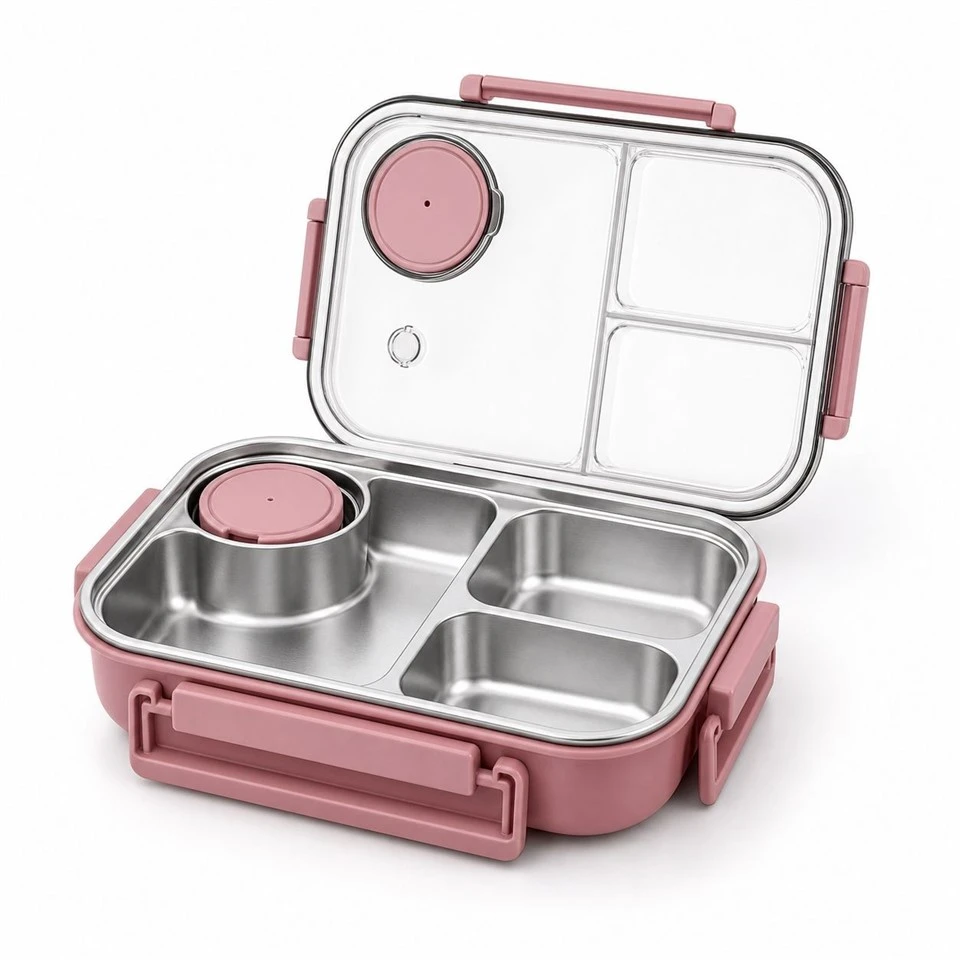
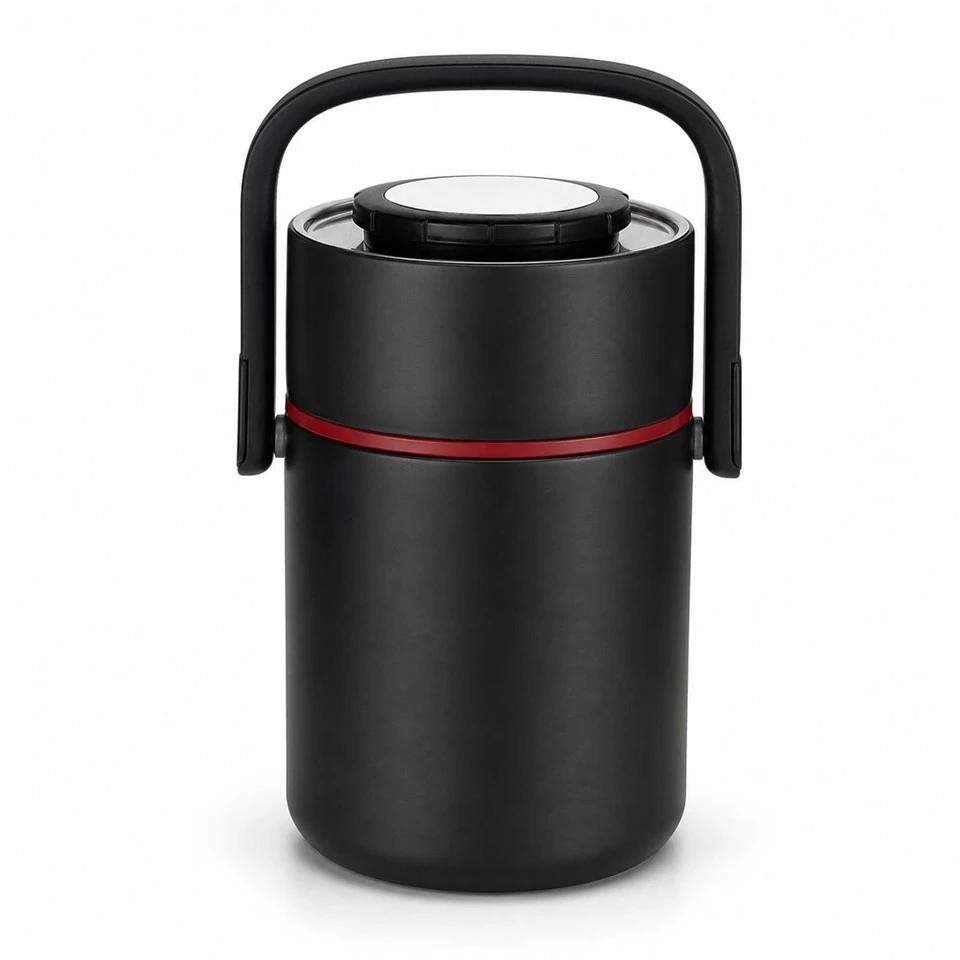
If you're more into keeping your food warm, we've got you covered too. Our Stainless Steel Lunch Box Keep Warm and Stainless Steel Hot Food Containers are perfect for that. You can pack your soups, stews, and hot meals, and they'll stay warm for hours.
In conclusion, can you put ice cream in a stainless steel lunch thermos? The answer is yes, but with some caveats. You need to be aware of the time, temperature, and type of ice cream. And if you really want to make sure your ice cream stays frozen, consider getting a cooler - style thermos.
We're really proud of our stainless steel lunch thermoses and all the other related products we offer. They're made with high - quality materials and designed to last. If you're interested in our products, whether it's for ice cream, hot food, or just regular lunches, we'd love to talk with you. Reach out to us for more information and to start a procurement discussion. We're here to help you find the perfect solution for your food - carrying needs.
References
- Food Science Basics: Principles of Food Preservation and Temperature Control
- Product Design and Testing Reports for Stainless Steel Thermal Containers