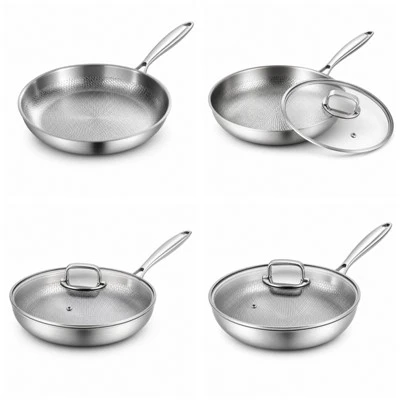


Cooking acidic foods is a common practice in many cuisines around the world. From tangy tomato - based dishes to zesty lemon - infused recipes, the use of acidic ingredients can add a burst of flavor. As a supplier of Stainless Steel Stir Fry Wok, I often receive questions about whether it's safe and advisable to cook acidic foods in our stainless - steel woks. In this blog, I'll delve into the science behind it, explore the potential effects, and provide some practical tips.
Understanding Stainless Steel
Stainless steel is a popular material for cookware due to its durability, resistance to corrosion, and ease of cleaning. It is an alloy composed mainly of iron, with significant amounts of chromium and often nickel. The chromium in stainless steel forms a thin, invisible layer of chromium oxide on the surface of the metal. This passive layer acts as a protective barrier, preventing the underlying metal from reacting with oxygen, water, and other substances.
The Reaction with Acidic Foods
When it comes to acidic foods, such as tomatoes, vinegar, and citrus fruits, there is a concern that the acid may react with the stainless steel. In theory, acids can break down the protective chromium oxide layer, exposing the underlying metal to corrosion. However, the extent of this reaction depends on several factors.
The first factor is the quality of the stainless steel. High - quality stainless steel cookware, like the ones we supply, is made with a higher percentage of chromium and other alloying elements. These elements enhance the stability of the passive layer, making it more resistant to acid attacks. For instance, 18/10 stainless steel, which contains 18% chromium and 10% nickel, is known for its excellent corrosion resistance.
The second factor is the duration and temperature of cooking. Short - term cooking of acidic foods at low to medium temperatures in a stainless - steel wok is generally safe. The brief exposure to acid is not likely to cause significant damage to the protective layer. However, if you cook acidic foods for an extended period at high temperatures, the risk of the acid breaking down the passive layer increases.
Research and Studies
Numerous scientific studies have been conducted on the interaction between stainless steel and acidic foods. A study published in a leading food science journal found that when stainless - steel cookware was used to simmer tomato - based sauces for up to two hours at moderate temperatures, there was minimal leaching of metals into the food. The levels of iron, chromium, and nickel detected in the sauces were well within the safe limits established by food safety authorities.
Another research project focused on the long - term effects of cooking acidic foods in stainless - steel pans. The researchers cooked acidic solutions in different types of stainless - steel cookware over a period of several weeks. They found that high - quality stainless - steel pans maintained their integrity, while lower - quality ones showed signs of surface deterioration.
Potential Benefits
Despite the concerns, there are also some potential benefits to cooking acidic foods in a stainless - steel stir - fry wok. Stainless steel is a non - reactive material in most cases, which means it won't impart any unwanted flavors or colors to your food. Unlike some other types of cookware, such as aluminum or copper, stainless steel doesn't react with acidic ingredients to create metallic tastes.
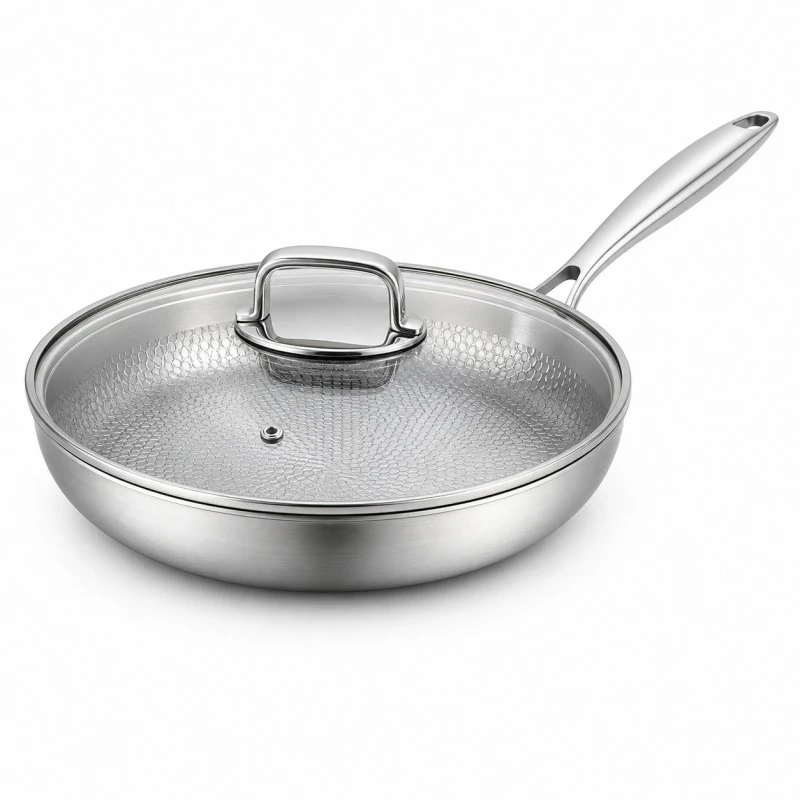

Additionally, stainless - steel woks are excellent for stir - frying acidic foods because they heat up quickly and evenly. This allows you to cook your food rapidly, reducing the overall cooking time and minimizing the exposure of the metal to the acid.
Practical Tips
If you decide to cook acidic foods in a stainless - steel stir - fry wok, here are some practical tips to keep in mind:
- Pre - heat the wok properly: Before adding the acidic ingredients, pre - heat the wok on medium heat. This helps to create a hot surface that will cook the food quickly, reducing the contact time between the acid and the metal.
- Use neutral ingredients first: If you're making a stir - fry with both acidic and non - acidic ingredients, start by adding the non - acidic ones, such as onions or garlic. This creates a barrier between the acid and the wok surface.
- Don't overcook: Try to keep the cooking time as short as possible when cooking acidic foods. Once the food is cooked to your liking, remove it from the wok immediately.
- Clean the wok promptly: After cooking acidic foods, wash the wok with warm, soapy water and dry it thoroughly. This helps to prevent any residual acid from causing damage over time.
Other Stainless - Steel Cookware Options
In addition to our Stainless Steel Stir Fry Wok, we also offer a range of other high - quality stainless - steel cookware products. Our Stainless Steel Searing Pan is perfect for searing meats and vegetables, while the Deep Saute Pan Stainless Steel is great for making stews and sauces.
If you're looking for a more specialized option, our Coated Stainless Steel Pans have an extra layer of protection, making them even more resistant to acid and scratching. And for those who want a complete cookware set, our Stainless Steel and Nonstick Cookware Set provides a versatile selection for all your cooking needs.
Contact for Purchase and Negotiation
If you're interested in our stainless - steel cookware products, whether it's the Stainless Steel Stir Fry Wok or any of our other items, I encourage you to contact us for purchase and negotiation. We are committed to providing high - quality products at competitive prices and excellent customer service.
References
- “Effect of cooking conditions on the migration of metals from stainless - steel cookware into food,” Journal of Food Science.
- “Long - term performance of stainless - steel cookware in contact with acidic foods,” Research in Food Engineering Journal.